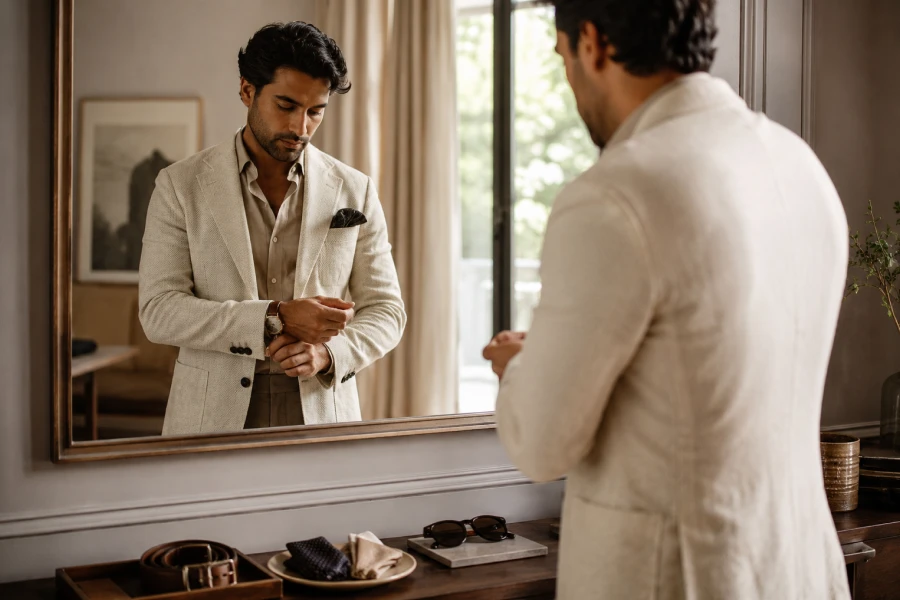
How to style accessories becomes easier when you stop treating every piece as a separate decision. A polished outfit usually has a clear message before the extras appear. Maybe it feels relaxed, tailored, romantic, sharp, or playful. Accessories should support that message rather than pull it apart. This is why the same bag can look perfect with one outfit and confusing with another. Context matters more than isolated trends. Once you learn to read an outfit’s mood, choosing jewelry, shoes, and details becomes intuitive. You are not looking for the most impressive item. You are looking for the piece that makes everything else make sense. That is the foundation of polished dressing.
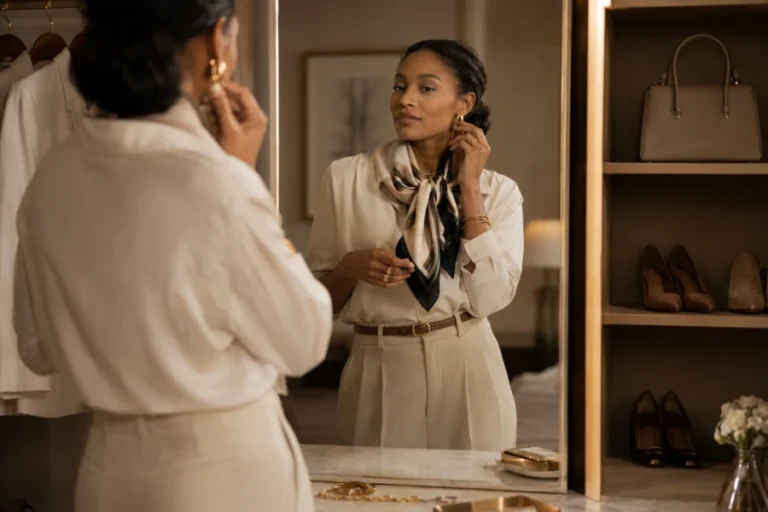
Necklines provide useful information when choosing jewelry. A high crew neck may call for earrings, a bracelet, or a longer pendant. A deep V can support a necklace following the open line. A collared shirt often looks best with small earrings or a simple chain. The goal is not following a rigid chart. It is noticing how jewelry sits against clothing. Use jewelry and neckline pairing to create ease around the face. When these elements work together, the outfit appears more intentional. The difference can be subtle but instantly visible. Good placement often looks effortless because it respects the outfit’s existing lines.
An outfit begins feeling costume-like when every element asks for attention. Avoid treating accessories as proof that you understand fashion. Instead, let one or two details carry the personality. A patterned scarf, sculptural earring, or unexpected shoe may be enough. Keep the remaining pieces calm and supportive. Step back after adding a strong item. Notice whether your eye has somewhere clear to rest. If not, remove the accessory with the least purpose. This small edit protects the strongest choice. Most polished looks rely on balance rather than spectacle. The goal is looking like yourself on a very good day.
Contrast can make a simple look memorable when it has a clear purpose. Pair a delicate dress with a structured shoe for useful tension. Add a substantial watch to soften an overly romantic outfit. Use a bright bag to wake up an otherwise neutral palette. The key is choosing one contrast instead of several unrelated surprises. Consider texture alongside color and shape. Smooth leather, woven fibers, metal, suede, and gloss all communicate differently. Use a statement piece strategy to decide where the contrast should live. One deliberate choice often creates a stronger impression than many smaller ones. Contrast works best when the outfit still feels coherent.
A strong accessory often needs quieter companions. Dramatic earrings may work best with a clean neckline and simple bag. A bold shoe may need understated jewelry. A textured handbag can become the focus beside smooth, minimal clothing. Think about what the accessory is asking the outfit to do. Then remove anything that repeats the same intensity. The goal is not making every piece invisible. It is allowing the strongest piece to have room. This approach creates clearer outfits and easier decisions. You learn that polish often comes from editing. A few well-chosen elements can communicate more than a crowded collection. Balance lets personality stay visible.
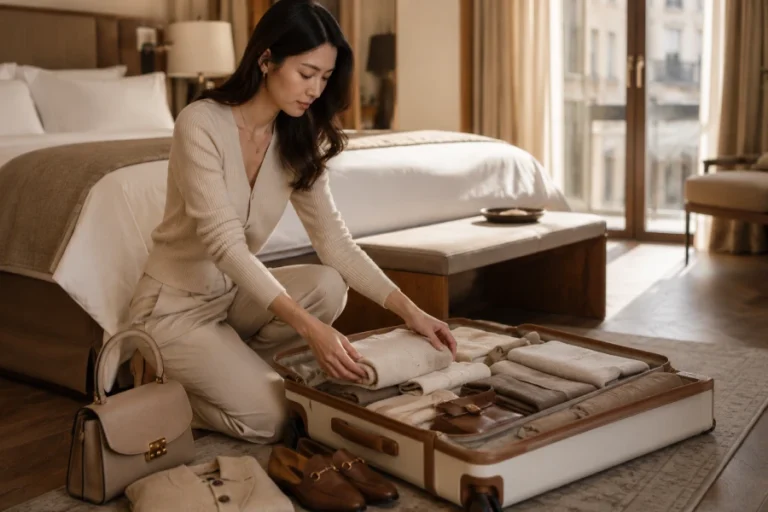
Clothes can remain the same while an accessory changes their destination. A daytime dress can feel dinner-ready with a refined bag and earring. A simple trouser outfit can become more casual with a woven tote and relaxed shoe. The finishing details translate one foundation between places. Use polished outfit formula thinking to make those transitions easier. You do not need separate wardrobes for every event. You need details that help existing clothes speak differently. Notice which accessories make a look feel sharper, softer, or more relaxed. Those observations become a useful personal reference. Context changes style more than quantity does.
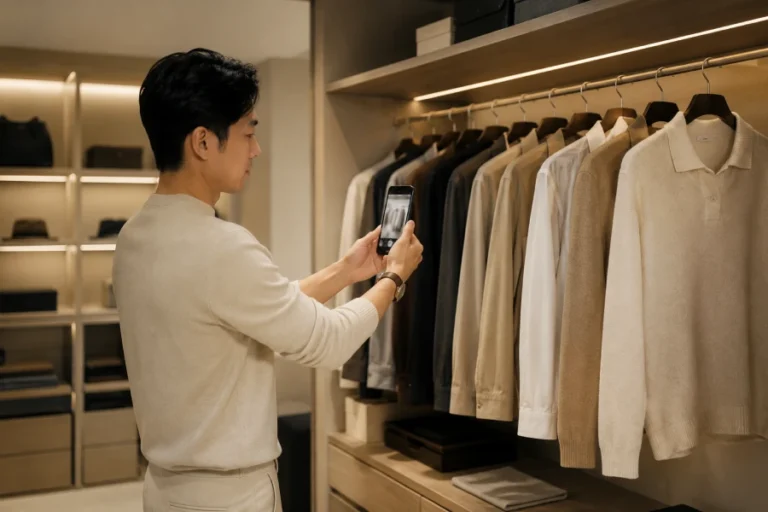
Choose one outfit you wear often and style it three ways. Begin with the version closest to your usual routine. Next, change only the jewelry and bag. Finally, switch the shoe and add one extra detail. Notice how each version changes the outfit’s energy. Photograph the options if it helps you compare them later. This exercise teaches more than memorizing styling rules. It shows how accessories interact with your proportions and preferences. Save the versions that feel most natural. Practice creates instinct because it makes visual connections easier to see. Over time, you will need fewer decisions to create a finished look.

Leave a comment