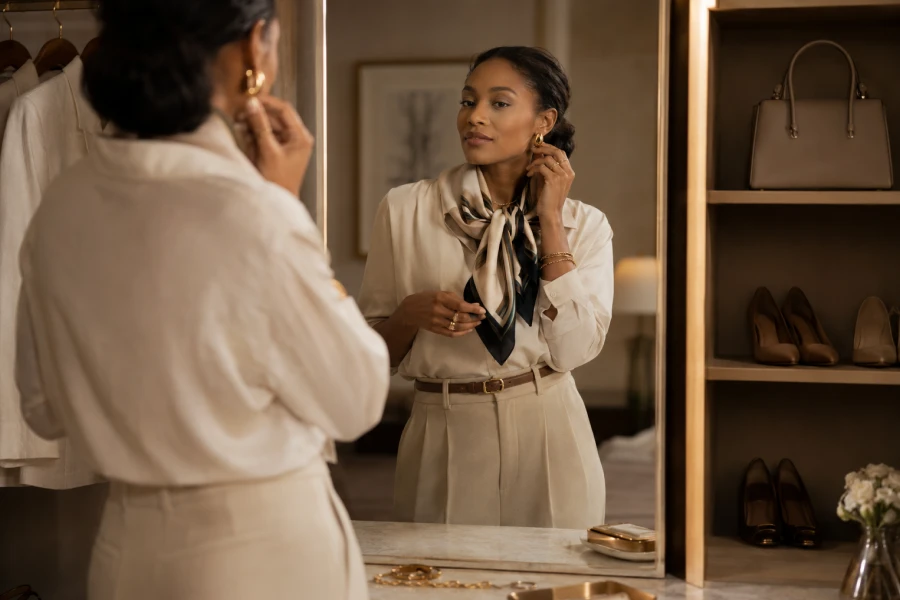
Accessory styling tips can change how you see the clothes already hanging in your closet. The right finishing choice often creates more impact than another new garment. A simple outfit can feel considered once a bag, belt, shoe, or piece of jewelry gives it direction. This does not require dramatic styling or a large collection. It requires understanding the role an accessory is playing. Some pieces create contrast. Others add structure, softness, shine, or color. Once you recognize those roles, getting dressed feels less like guessing. You begin building looks with a clearer point of view. Familiar clothes become a more interesting starting place.
Every accessory should contribute something specific to the outfit. A belt can define shape. A necklace can draw attention toward the face and neckline. A bag can introduce structure or soften tailoring. Shoes can change the pace of an entire look. Before adding anything, decide what feels missing. Is the outfit too plain, too loose, too dark, or too predictable? Use style anchor pieces when a look needs one strong visual center. A clear role prevents finishing choices from competing. The goal is not decorating every surface. It is making the outfit feel complete and personal.
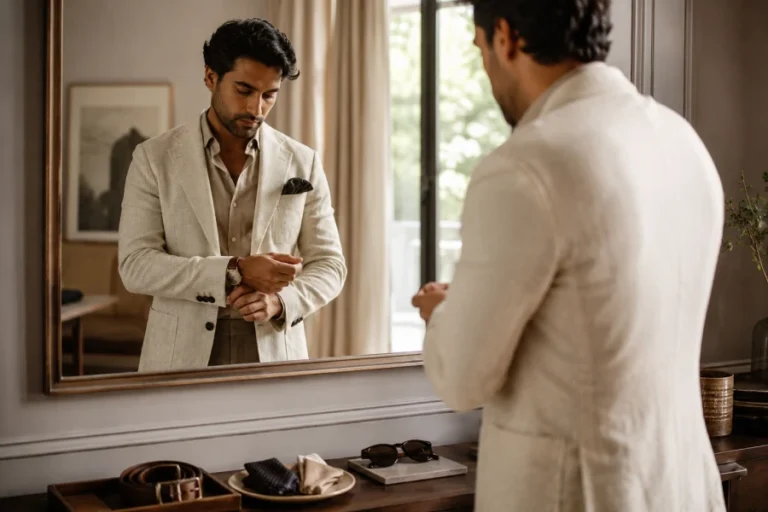
Over-accessorizing often happens when you keep solving a problem that is already solved. A finished outfit may only need one strong detail. Adding another necklace, scarf, belt, or statement shoe can dilute the first decision. Step back and notice where your eye lands. If the look already has a clear focal point, protect it. Remove anything that feels like an explanation. This editing process becomes easier with practice. Try one piece, then pause before adding another. The strongest outfits often feel calm because every element has room to breathe. Restraint does not make an outfit boring. It allows the chosen details to look more purposeful.
Accessories can create visual balance when clothing proportions feel slightly off. A belt may bring definition to a long shirt or soft dress. A compact bag can counter a wide-trouser silhouette. A longer earring can add movement near a high neckline. Shoes can either extend the line of the leg or create a deliberate break. Think about scale before deciding what to add. Use proportion in accessorizing to judge whether a detail feels too tiny or too heavy. This is less about strict rules than visual awareness. A well-proportioned accessory makes the outfit look settled rather than overloaded. Small adjustments can create surprising polish.
Texture can shift an outfit even when the color palette remains simple. Smooth leather feels different beside soft knitwear. Woven fibers create a more relaxed feeling than glossy metal. Suede can soften sharp tailoring. Gold jewelry can add warmth to a cool neutral outfit. Pay attention to how materials speak to one another. A thoughtful mix creates depth without adding clutter. Avoid using too many competing finishes at once. Let one texture lead while the others support it. A polished bag, delicate jewelry, and textured shoe can create balance. Good texture choices make an outfit feel richer without making it busier.
Neutral clothing gives accessories room to express mood. Black knitwear and denim can feel minimal with leather and gold. The same foundation can feel artistic with a printed scarf and sculptural earrings. A white shirt can shift from relaxed to refined through bag and shoe choices alone. Use accessory color harmony to choose contrast that still feels connected. You might echo one tone from the clothing or use a deliberate opposite. The best combinations look thoughtful without becoming precious. Neutrals are not empty. They are flexible backdrops for personal expression. The right details make them feel unmistakably yours.
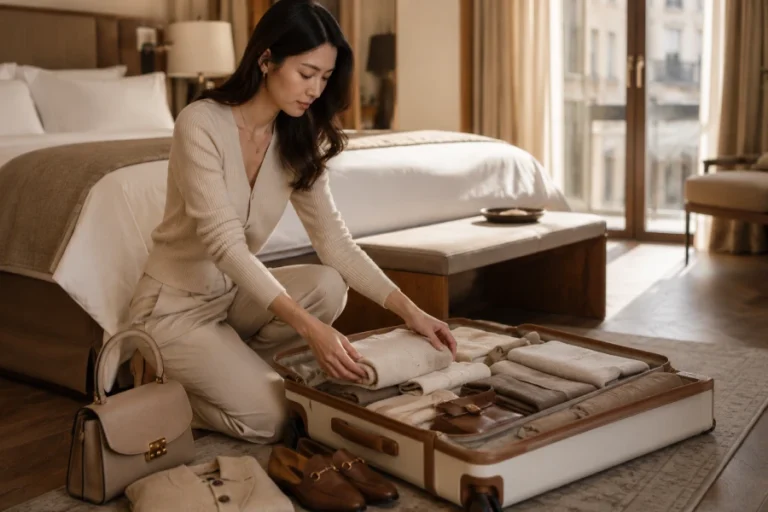
Accessories should support how you actually move through a day. A beautiful bag that cannot hold essentials may not suit daily life. Shoes that look striking but slow you down may have a limited role. Consider comfort, storage, weather, and routine beside visual appeal. Your finishing pieces should make you feel prepared rather than restricted. Choose options that transition between errands, meetings, meals, and quiet moments. Build a small rotation that feels easy to reach for. The best pieces become dependable because they work often. Style fits better when it reflects your real movement. Confidence is more visible than any single trend. Useful accessories make familiar clothes easier to live in.

Leave a comment