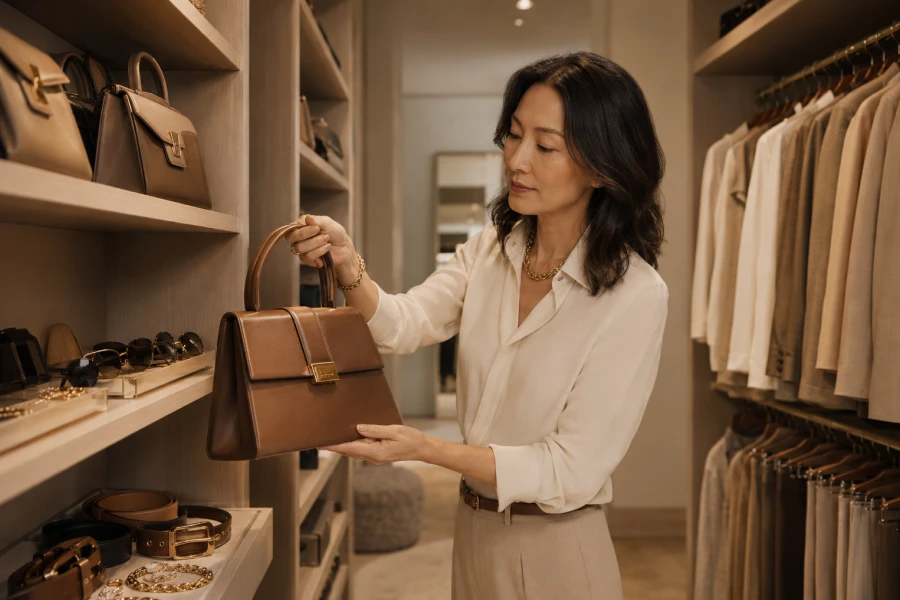
A personal accessory wardrobe gives your clothes a reliable set of finishing options. Without one, every outfit can feel like it needs a new purchase. You may own plenty of accessories but still struggle to find the right piece. That usually means the collection lacks a clear connection to your actual wardrobe. A smaller and more intentional selection works differently. It supports the shapes, colors, and occasions that appear most in your life. You do not need the same pieces as anyone else. You need options that make your own clothes easier to wear. This turns accessories from scattered extras into useful style tools. The last-minute spiral fades when dependable options are already waiting.
Random purchases often happen when an outfit feels like it is missing something. The problem is that a quick solution rarely connects with the rest of your closet. A novelty earring, bright bag, or unusual belt may feel exciting in the store. Then it remains unused at home. Start by observing what your wardrobe genuinely needs. Perhaps your clothes need refined shoes, more texture near the face, or a practical structured bag. Use bag shoe belt balance to identify the categories doing the most work. A strong collection is built around useful roles rather than quantity. That makes future purchases easier to judge.
Core pieces create the foundation that makes expressive accessories easier to wear. Begin with a dependable everyday bag, comfortable polished shoes, a simple belt, and jewelry you enjoy. These items are not meant to feel boring. They are meant to work often enough that you trust them. Once the foundation exists, a more unusual piece becomes easier to style. It has quieter companions that keep the whole look grounded. Consider colors, hardware preferences, and daily habits before buying. The best core items combine comfort with a distinctive detail. They make ordinary outfits feel finished without demanding attention. Reliability is what gives a wardrobe room for creativity.
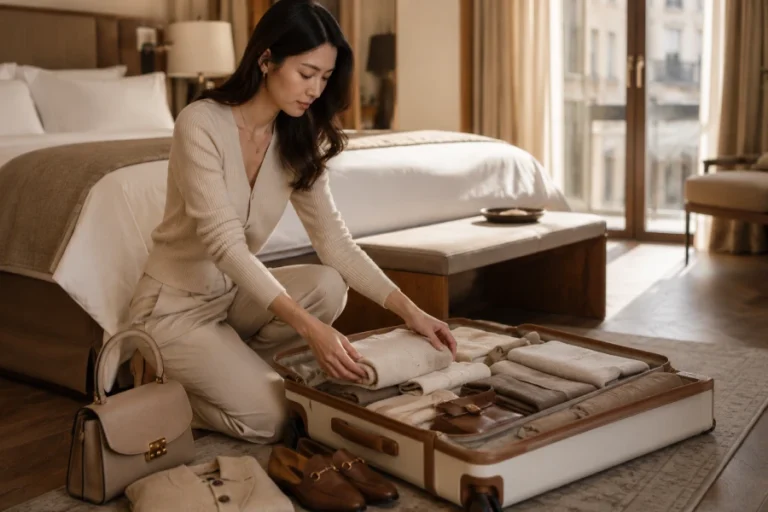
Your collection should handle the situations that actually fill your calendar. A workday, casual lunch, family gathering, and travel day need different degrees of structure. The same core pieces can often adapt when styling changes. A simple hoop earring can feel casual with denim and polished with tailoring. A clean leather bag can move between errands and dinner. Use finishing touch styling to create range without accumulating a huge collection. Think in combinations instead of categories alone. The right accessory gains value every time it works elsewhere. Flexibility is one of the clearest signs of a strong wardrobe.
Versatile accessories do not need to disappear into every outfit. They simply need to connect easily with multiple looks. A distinctive ring, textured bag, or colored shoe can still be flexible. Look for details that repeat elsewhere in your wardrobe. This might be warm gold, rich brown leather, deep green, silver hardware, or sculptural forms. Those repetitions create cohesion without requiring exact matches. The goal is not buying only neutral pieces. It is recognizing which forms of personality work with your usual clothes. A versatile piece should bring pleasure every time you reach for it. It earns space through usefulness and character at once. Good versatility always leaves room for identity.
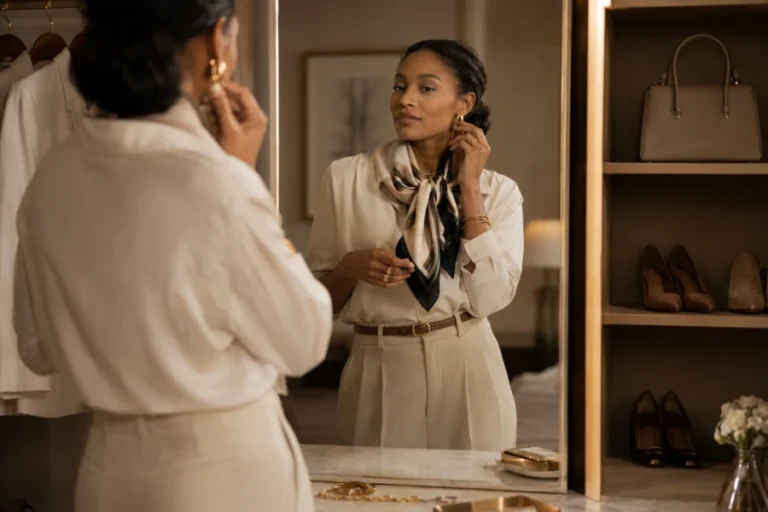
A signature does not need to be dramatic or instantly recognizable to strangers. It can be a quiet pattern that makes you feel settled. Maybe you always choose layered chains, substantial watches, soft scarves, or a certain bag shape. These choices create a visual rhythm across different outfits. Use signature accessory collection thinking to identify what naturally repeats. Keep the pieces that feel connected to your identity, even if they are not new. A personal signature reduces endless comparisons while getting dressed. It also helps simple clothes feel immediately yours. Style becomes more coherent when it contains familiar visual notes.
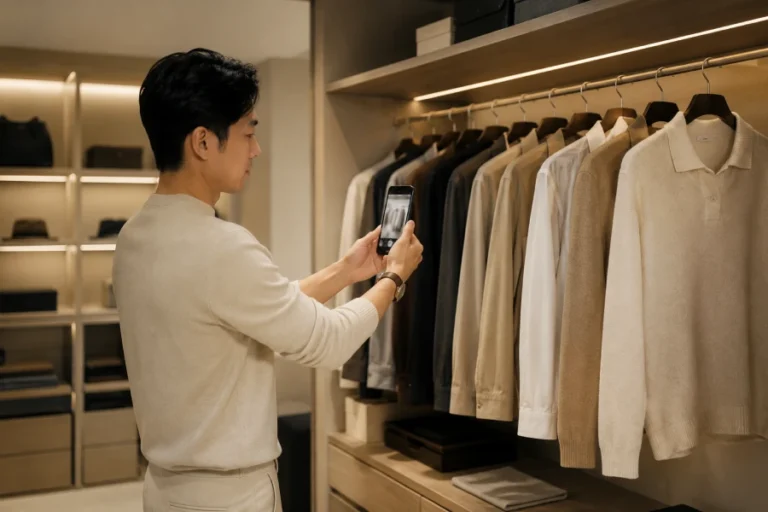
There is no reason to build a complete collection in one shopping season. Start with gaps that you notice repeatedly. Replace a tired everyday item with something that works more smoothly. Add a piece only when it expands your outfits meaningfully. Pay attention to what you borrow, save, or wish you had before leaving home. Those moments reveal genuine needs. Let the collection evolve with your lifestyle rather than temporary trend pressure. You may need different pieces during a new job, move, or shift in style. This flexibility keeps the collection alive. A thoughtful wardrobe grows through useful choices rather than instant completion. Over time, it begins supporting you almost automatically.

Leave a comment