
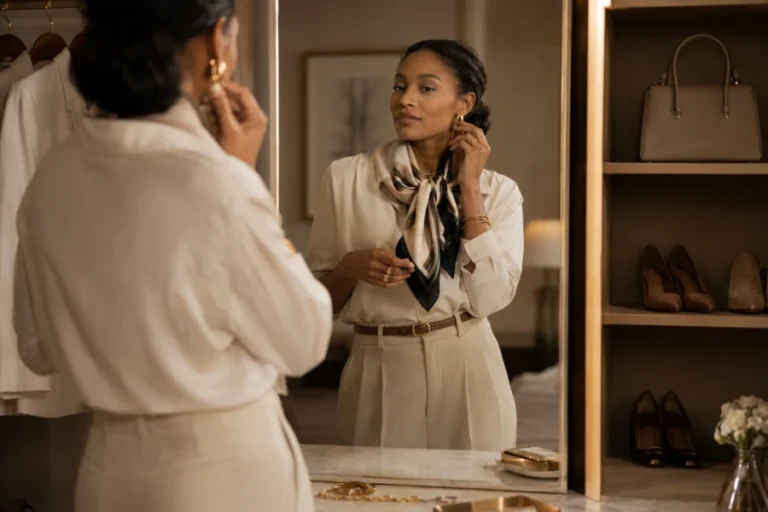
AI outfit planning helps with one of the smallest but most persistent daily decisions. Getting dressed becomes frustrating when time is limited and options feel unclear. The pressure is rarely about fashion alone. It comes from weather, work, errands, social plans, and the desire to feel like yourself. A thoughtful system can reduce that mental pileup. Instead of staring at the same closet every morning, you begin with relevant ideas. That does not remove creativity from getting dressed. It protects your creativity from unnecessary stress. You still choose the final look, but you start with better information. A calmer morning can shape the tone of the whole day.
Decision fatigue is real even when the choice seems minor. By the time you open your closet, messages and deadlines may already be competing for attention. That is why a preplanned option can feel surprisingly generous. It creates one less urgent question before the day begins. Use automated outfit ideas to build a short list rather than endless possibilities. You want suggestions that narrow the field with context. A useful prompt includes the forecast, your schedule, and the day’s formality. That creates options more likely to work in real life. The final decision remains yours, but it becomes easier. Time returns when the closet stops demanding a brand-new answer daily.
No outfit exists apart from the day it needs to support. A rainy commute asks different questions than a presentation or dinner reservation. That is why context matters more than trend predictions. Build prompts around the facts you already know. Mention weather, movement, dress codes, color preferences, and comfort boundaries. Use weather-based outfit planning to prevent practical details from becoming afterthoughts. A recommendation should account for long walks and indoor temperatures. It should also leave room for your mood. Some mornings call for structure, while others need softness and ease. Context turns a generic suggestion into a useful starting point.
Personalization begins when a system learns what you actually repeat. Maybe you reach for wide-leg trousers whenever you need confidence. Perhaps you avoid certain shoes after a long day. Those preferences matter more than broad labels such as casual or professional. Record the details that influence your willingness to wear something. Include favorite silhouettes, energizing colors, and items you consistently skip. Use ai style prompts to ask clearer questions of your wardrobe. You can request something creative but comfortable, polished but not rigid. Better prompts invite better suggestions. The more honestly you describe your life, the more useful the ideas become.
Recommendations become less useful when they ignore how you want to feel. Clothing is practical, but it also carries mood and identity. A system can suggest combinations, yet it cannot replace your sense of self. Treat every idea as a starting point that you can accept or adapt. Add the jacket that makes you feel stronger. Change the shoe that alters the day’s pace. Save combinations that feel especially natural when you wear them. This feedback makes future suggestions more relevant. The healthiest relationship with technology leaves your judgment intact. It gives you momentum without taking your agency. That balance makes digital support feel personal rather than automated.
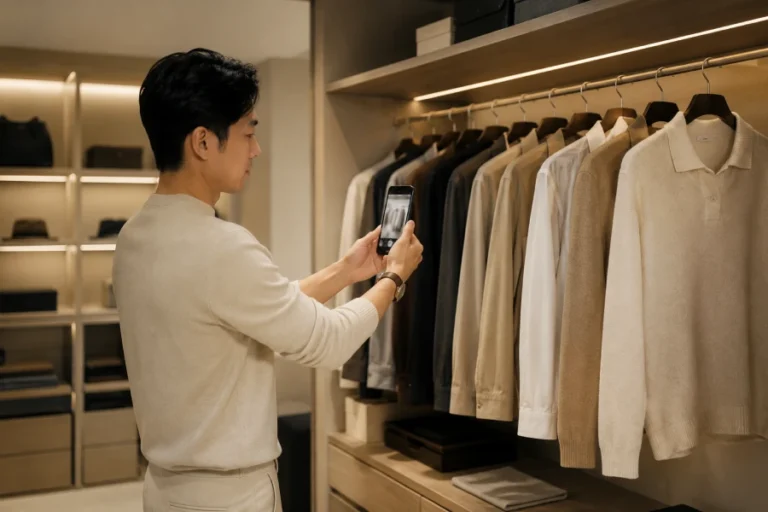
An organized view often reveals that your closet has more range than expected. You may have enough clothing for strong outfits but lack time to connect the pieces. A planning system makes those links easier to see. It can remind you that a blazer or skirt has not appeared in months. That reminder turns a forgotten item into a new option. You begin exploring your existing choices with more curiosity. Some pieces still may not suit your current life. That is useful information too. Better visibility helps you decide with evidence instead of guilt. You learn which clothes make dressing easier. That knowledge makes the whole wardrobe feel more intentional.
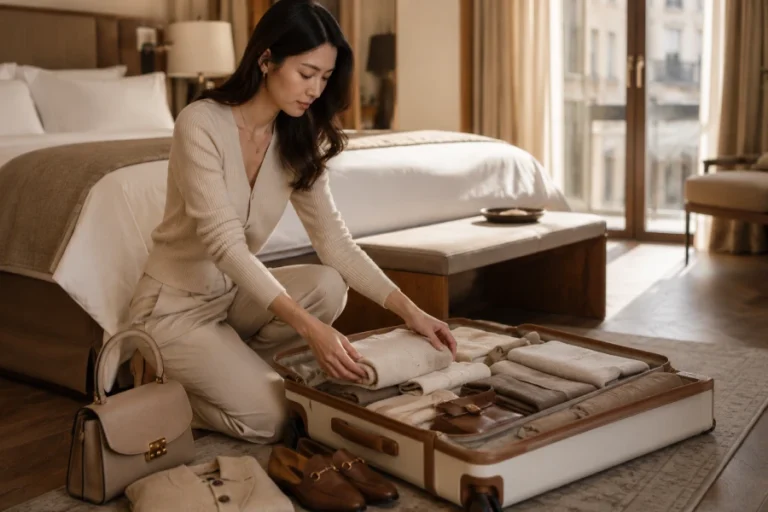
Preparation works best when it stays light. Choose two or three likely outfits before the busiest days of the week. Keep alternatives flexible enough for weather shifts or changing plans. Review your calendar when you already have a quiet moment. This could happen on Sunday evening or after work. Use outfit decision fatigue as a sign that you need less friction rather than more control. A short planning habit can make mornings feel more spacious. It also reduces rushed shopping and last-minute laundry problems. The aim is not perfection every day. The aim is a wardrobe that meets you where life happens.

Leave a comment