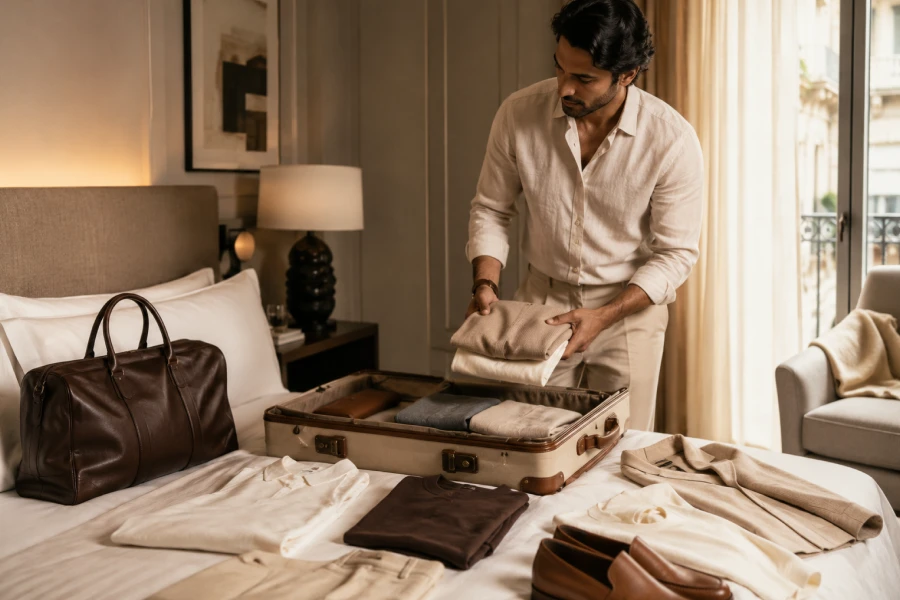
Smart packing for travel is less about folding techniques than clear decisions. A suitcase gets lighter when you understand what the trip actually requires. That means noticing the rhythm of your days before choosing a single shirt. You may need more walking clothes than evening clothes. You may need an extra layer but fewer shoes. A plan reveals the difference between possibility and usefulness. It also stops impulse packing before it starts. The best process makes room for comfort, personal style, and spontaneity. You leave with fewer items but more complete options. That is the version of travel preparation worth repeating.
Most people pack too much because they prepare against every unlikely scenario. A better method is listing the activities that are actually on the itinerary. Include travel days, long walks, restaurant meals, one special event, and weather-specific plans. Build outfits around those real moments. Then identify what can repeat in a new way. A shirt can appear twice when it changes layers or accessories. A dress can work more than once when the shoe choice changes. Repetition is not a packing failure. It is evidence that the wardrobe is working efficiently. Planning by activity makes missing practical pieces easier to spot.
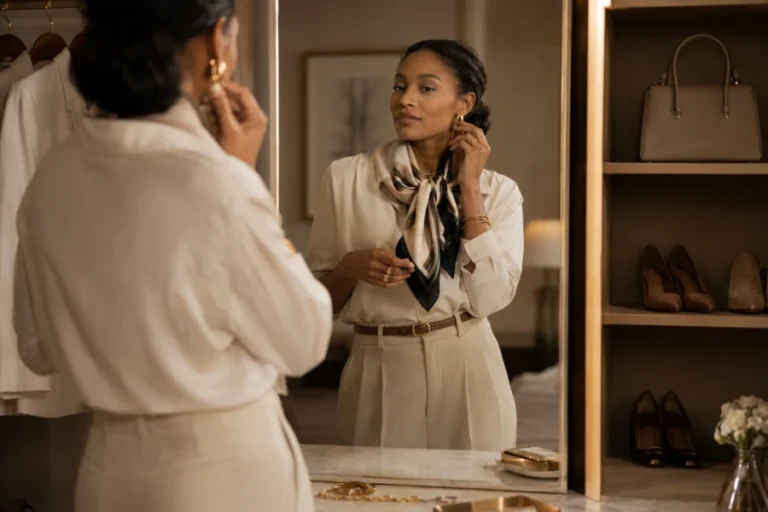
A small palette keeps travel outfits connected even when individual pieces differ. Start with the neutrals you wear most comfortably at home. Add one color that brings enough energy to the group. Keep that accent flexible enough for shoes, bags, and outer layers. Avoid buying a trip-specific item that depends on several new companions. That purchase can create more problems than it solves. Instead, look for pieces that complete outfits you already own. Use color-coordinated packing to keep the final edit visually coherent. The palette should also match the mood you want from the trip. A focused color story makes every morning easier.
What you pack matters, but what you repeat matters more. Your strongest clothes should appear in more than one useful combination. A pair of trousers can work with a shirt one day and knitwear the next. A soft blazer can transform denim or finish a dress. Bring pieces that shift easily between casual and polished settings. Let shoes and accessories make the changes visible. Avoid packing items that require special effort to style. Use weather-smart dressing to make flexible layering part of your plan. A few adaptable items usually outperform many highly specific ones. The best travel wardrobes create options without creating clutter.
Every item should solve a clear need before it earns suitcase space. A useful jacket handles temperature changes and sharpens casual outfits. A dependable shoe supports walking and looks polished enough for dinner. A bag should carry daily essentials without becoming inconvenient. Even beauty products deserve a clear role. Bring familiar items that help you feel refreshed rather than an oversized collection of experiments. Use minimalist travel beauty to streamline the part of packing that often expands fastest. Fewer choices make hotel bathrooms calmer and mornings simpler. The goal is not deprivation. The goal is taking only what genuinely supports the trip.
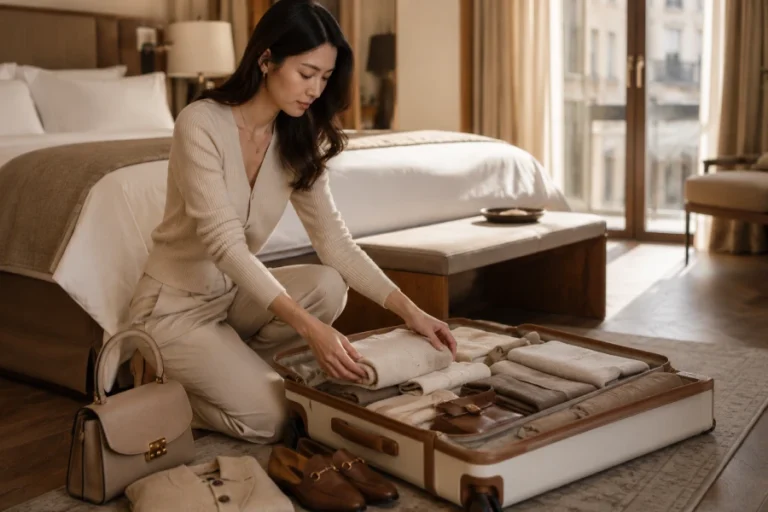
How you arrange the suitcase shapes the first few days away. Keep your arrival outfit where you can reach it quickly. Place your most versatile layer near the top. Store accessories in one pouch instead of scattering them. Put shoes inside bags or covers to protect clothing. This simple order makes a hotel room feel less chaotic. It also reduces the temptation to unpack everything immediately. Keep a small laundry section available from the beginning. Visible order saves time when you are tired from travel. Small systems create a surprisingly polished experience. A well-packed suitcase supports the rhythm of the whole trip.
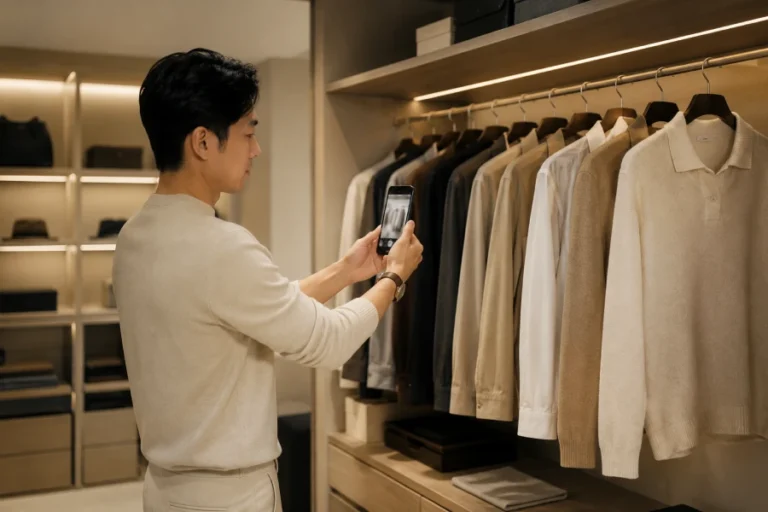
The strongest system is one you can use again without starting from zero. Save photographs of outfits that worked on previous trips. Make short notes about the shoes you wore constantly. Notice which layers stayed untouched. Over time, these details become a practical personal reference. You may learn that you need fewer tops but a stronger outer layer. You may discover that one bag changes every outfit. Use travel style confidence as a result of experience rather than strict rules. Each departure gives you better information about your preferences. That knowledge makes future packing calmer and more intuitive.

Leave a comment